Facebook pixel

Productivity tools for teams: why sustainable performance starts with active recovery

Productivity tools for teams are usually associated with task management, communication, or planning. Dashboards get clearer, processes get leaner, and meetings get more structured. Yet many teams still struggle with declining focus, uneven energy levels, and performance that fades as the day goes on.

For HR decision makers and team leads, the question is no longer which tool helps teams do more, but which tools help teams perform well consistently without burning out. This is where recovery and daily movement become central to productivity.

Why traditional productivity tools for teams are not enough

Most productivity tools for teams are built to optimise output. They help track tasks, deadlines, and collaboration. What they rarely address is how people actually feel while doing the work.

Common challenges teams face despite having good tools include:

  • mental fatigue already before the afternoon
  • declining concentration in long work blocks
  • back-to-back meetings with no recovery
  • employees feeling drained after work

When energy and focus drop, even the best systems cannot compensate. Productivity tools that ignore recovery often improve visibility, but not sustainable performance.

Productivity is driven by energy and focus

Teams are productive when they have the capacity to focus, think clearly, and make decisions. That capacity depends heavily on recovery during the workday.

Without regular breaks attention narrows, creativity declines, and simple tasks take longer. Team productivity tools that support both activity and recovery help protect this capacity. Instead of pushing people to work harder, they help teams work better and maintain their work ability in the long term.

Active breaks are one of the most powerful productivity tools for teams

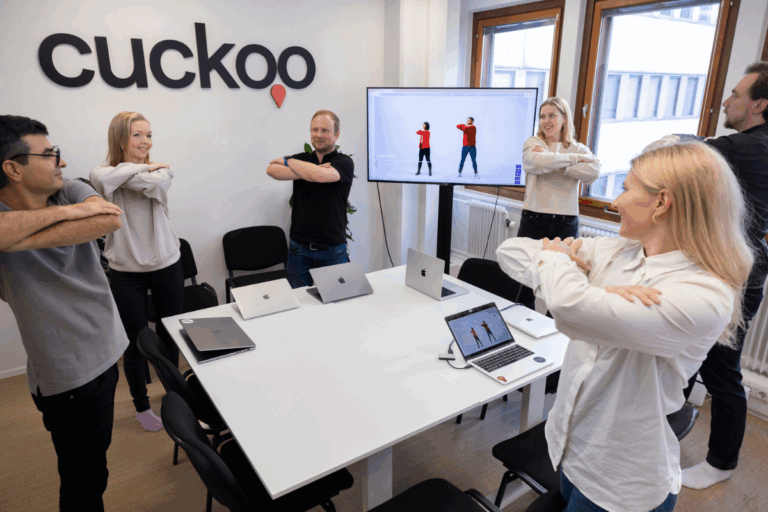
Active breaks are short pauses that include light movement or physical activation. They are not workouts and do not require extra time in the calendar.

Active breaks include for ecample:

  • standing up and moving for a few minutes
  • simple stretching
  • short walks
  • breathing exercises combined with posture change

These breaks support productivity because they help the nervous system reset, improve circulation, and reduce physical tension. After an active break, focus often returns faster and stays more stable. For teams, this means fewer energy crashes and more consistent performance across the day.

One of the most effective ways to improve productivity is to increase daily activity during the workday. When teams move regularly, physical discomfort decreases, mental fatigue builds up more slowly, energy levels stay more even and work feels less draining.

This also affects life after work. Employees who move during the day often have more energy left in the evening, instead of needing the entire night to recover.

Productivity is built in small, repeated actions

If you want to create lasting impact, you should be looking for productivity tools that support small, repeatable behaviours. Active breaks are one of the simplest ways to improve focus, energy, and performance without increasing workload. When teams are supported to pause, move, and reset, productivity becomes more stable and sustainable.

So, if your organisation is looking for productivity tools for teams that support real performance, not just task tracking, it is time to rethink recovery.

Cuckoo helps teams stay focused, energised, and productive through regular movement and active breaks that fit into everyday work. Start a free Cuckoo Team trial and see how small, well-timed breaks can make a measurable difference to your team’s productivity.

Stay in the loop

Subscribe to our newsletter and be the first to get updates on latest content on workplace wellbeing and new Cuckoo features.

By submitting the form, you accept our privacy policy.