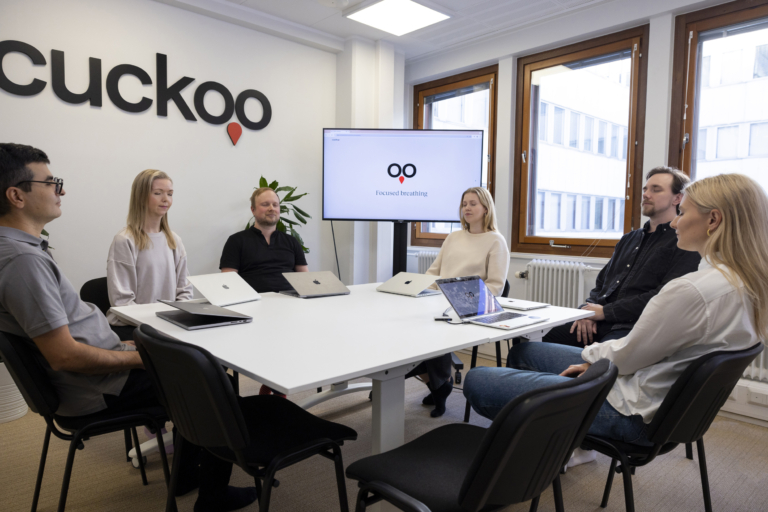
It’s 15:00. You’re still working, but thinking feels heavier. Concentration slips. Decisions take more effort.
This isn’t just a long day. It’s cognitive fatigue.
In many workplaces, mental exhaustion is treated as a normal side effect of modern work. Long days of meetings, constant context switching, and afternoon mental fog are seen as part of the job.
Still, they shouldn’t be.
Cognitive fatigue is one of the earliest and most telling signals of declining work ability. Long before sick leave increases or performance visibly drops, mental exhaustion begins to shape how people think, decide, and interact at work.
For HR leaders and team leads, this makes cognitive fatigue an issue that deserves attention now.


